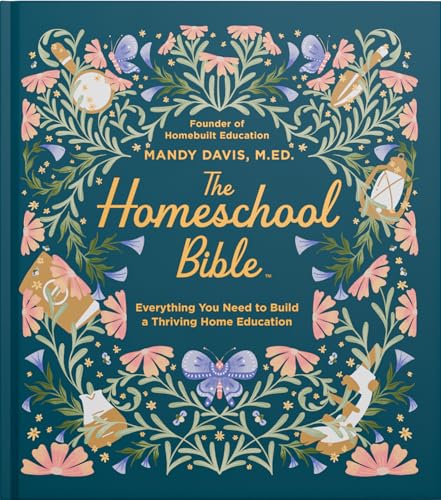
Homeschool Laws
Read the laws regulating home education in {{state}} and browse through the case law and legal opinions relating to those laws, along with government publications relating to homeschooling and summaries of the laws.
Keeping Homeschooling Private
Homeschoolers have been vigilant in protecting their rights, rising to the occasion when they discover threats to clamp down on their activities. Discusses some of the criticisms by opponents of homeschooling, along with the examples of some legal fights in Connecticut and Montana.
RCW 28A.305.190 Eligibility to take general educational development test.
The state board of education shall adopt rules governing the eligibility of a child sixteen years of age and under nineteen years of age to take the general educational development test if the child provides a substantial and warranted reason for leaving the regular high school education program, or if the child was home-schooled.
Bill Information
Search for and track current pending legislation.
Washington Homeschool Organization (WHO)
The Washington Homeschool Organization (WHO) is the state organization for homeschoolers, families operating under the Home-Based Instruction Law. Their mission is to serve the diverse interests of homeschoolers in Washington State. WHO is nonpartisan, nonsectarian and non discriminating in its views of homeschooling and participation in its activities. Its purpose is to disseminate information about homeschooling to those interested, and network homeschooling families with people and resources. In addition they play an advocacy role for homeschoolers with the state legislature and the public school system.
Washington Natural Learning Association (WNLA)
Washington Natural Learning Association works to ensure the right to home-educate our children without cumbersome regulation. They also help families with questions and problems that may occur when home-educating.
Home School Laws from HSLDA
Find the laws pertaining to home education for all 50 states and U.S. territories.
Free Folly: Five Reasons Why Black Families Should Resist Free Virtual Charter Schools
Virtual charter schools are popping up all over the country, providing free computers, textbooks and educational materials to any family who would like to enroll in their program. Jennifer James takes a hard look at how these schools are detrimental to black homeschoolers.
Social Security's New Home School Flow Chart
For some years, the Social Security Administration has permitted home schoolers to receive benefits in some cases. The agency used a fuzzy test involving several different factors. New documents from the Social Security Administration indicate that the agency has a much better defined policy in place now.
On Jumping Through Hoops
Most books and articles on home education are quick to point out that homeschooling is legal--in one form or another-- in all fifty states. Parents might have to jump through more hoops in one state than in another, but, as long as they're willing to jump through those hoops, they are allowed to teach their own children at home. But are these hoops actually necessary?
WAC 180-52-070 Approved standardized tests for use by students receiving home-based instruction.
(1)(a) Pursuant to RCW 28A.200.010(3), the state board of education will provide a list of examples of standardized achievement tests that a parent may use to assess and determine whether their child is making reasonable academic progress. (b) Tests on the list are approved by the state board of education on the basis that they are standardized achievement tests. (c) Parents may use a standardized test that does not appear on the list of examples if it has been evaluated by a test evaluation organization recognized by the state board of education and cited on the state board web page. (d) Parents may contact the state board of education office for assistance in determining if a test of their choosing that is not on the list of examples is standardized. (2) The list of examples of standardized achievement tests shall be: (a) Made available on the web page of the state board; (b) Included in the following publication of the office of the superintendent of public instruction, "Washington's State Laws Regulating Home-Based Instruction;" and (c) Provided on request. (3) The list of examples of standardized achievement tests on the state board web page may not be changed without prior approval of the state board of education.
Association of HomeSchool Attorneys (AHSA)
AHSA is an informal network of attorneys and legal experts in the United States supporting homeschooling and homeschoolers by providing legal information about homeschooling issues, empowering homeschoolers to have the legal tools they need to meet homeschooling challenges, and providing a network of attorneys for legal representation. The website includes a legal directory by state.
RCW 28A.200.020 Home-based instruction -- Certain decisions responsibility of parent
The state hereby recognizes that parents who are causing their children to receive home-based instruction under RCW 28A.225.010(4) shall be subject only to those minimum state laws and regulations which are necessary to insure that a sufficient basic educational opportunity is provided to the children receiving such instruction. Therefore, all decisions relating to philosophy or doctrine, selection of books, teaching materials and curriculum, and methods, timing, and place in the provision or evaluation of home-based instruction shall be the responsibility of the parent except for matters specifically referred to in this chapter.
Universal Preschool
There is a national campaign to institutionalize all preschoolers through government funded and/or mandated "universal preschool." This group seeks to redefine universal preschool as an unheralded worldwide community of loving, functional parents who exercise their right and authority to nurture and teach their young children at home.
Battling for the Heart and Soul of Home-Schoolers
A look at the battle for the homeschooling movement and the demographics of homeschooling families that challenges the notion that all homeschoolers are conservative fundamentalists. This article is a critical look at the HSLDA.
Primer on Individual Lobbying
This is a list of tips for effective lobbying. Includes ways to lobby, things you can do now, and how to connect with other lobbyists.
Pacific Justice Institute (PJI)
Pacific Justice Institute is a non-profit legal defense organization specializing in the defense of religious freedom, parental rights, and other civil liberties. PJI provides free representation to parents who are unlawfully denied the right to homeschool their children. PJI also provides legal counsel to those parents wishing to homeschool, but do not know their legal options or obligations.
Alternative Education Programs
There is a relatively new movement taking shape in several states across the country. Public school districts are laying down their battle weapons so to speak, and taking up diplomacy in their dealings with the homeschooling community. A prime example of this new stance is in Washington State where for several years now and often with little or no regulatory authority, local school districts have launched programs specifically targeting the homeschool student. Sometimes called Cyberschool or Parent Partnered Program, the title may include the words Homeschool or Home Education. The advertising is pitched to the homeschooling community and usually only students who have been listed as homeschoolers for at least ninety days may participate. But some homeschoolers are taking a dim view of these programs. They warn that it is a thinly veiled effort to woo them back into the public schools and that it is a poor use of taxpayers' money.
RCW 28A.200.010 Home-based instruction - Duties of parents - Exemption from high school assessment requirements
(1) Each parent whose child is receiving home-based instruction under RCW 28A.225.010(4) shall have the duty to: (a) File annually a signed declaration of intent that he or she is planning to cause his or her child to receive home-based instruction. The statement shall include the name and age of the child, shall specify whether a certificated person will be supervising the instruction, and shall be written in a format prescribed by the superintendent of public instruction. Each parent shall file the statement by September 15th of the school year or within two weeks of the beginning of any public school quarter, trimester, or semester with the superintendent of the public school district within which the parent resides or the district that accepts the transfer, and the student shall be deemed a transfer student of the nonresident district. Parents may apply for transfer under RCW 28A.225.220; (b) Ensure that test scores or annual academic progress assessments and immunization records, together with any other records that are kept relating to the instructional and educational activities provided, are forwarded to any other public or private school to which the child transfers. At the time of a transfer to a public school, the superintendent of the local school district in which the child enrolls may require a standardized achievement test to be administered and shall have the authority to determine the appropriate grade and course level placement of the child after consultation with parents and review of the child's records; and (c) Ensure that a standardized achievement test approved by the state board of education is administered annually to the child by a qualified individual or that an annual assessment of the student's academic progress is written by a certificated person who is currently working in the field of education. The state board of education shall not require these children to meet the student learning goals, master the essential academic learning requirements, to take the assessments, or to obtain a certificate of academic achievement or a certificate of individual achievement pursuant to RCW 28A.655.061 and 28A.155.045. The standardized test administered or the annual academic progress assessment written shall be made a part of the child's permanent records. If, as a result of the annual test or assessment, it is determined that the child is not making reasonable progress consistent with his or her age or stage of development, the parent shall make a good faith effort to remedy any deficiency. (2) Failure of a parent to comply with the duties in this section shall be deemed a failure of such parent's child to attend school without valid justification under RCW 28A.225.020. Parents who do comply with the duties set forth in this section shall be presumed to be providing home-based instruction as set forth in RCW 28A.225.010(4).
WHO for Homeschooling
The Washington Homeschool Organization (WHO) is the state organization for homeschoolers, families operating under the Home-Based Instruction Law. The purpose of this list is to inform and alert. Members are kept abreast of developments, both in the legislature and in the public school system, that affect homeschooling in this state.
The Politics of Survival: Home Schoolers and the Law
Twenty years ago, home education was treated as a crime in almost every state. Today, it is legal all across America, despite strong and continued opposition from many within the educational establishment. How did this happen? This paper traces the legal and sociological history of the modern home school movement, and then suggests factors that led to this movement's remarkable success.
Washington Home School Laws from HSLDA
The Home School Legal Defense Association provides a brief summary of the homeschooling laws in Washington. Includes a link to a legal analysis of laws relating to homeschooling in Washington.
Home School Legal Defense Association (HSLDA)
The Home School Legal Defense Association is a non-profit advocacy organization established to defend and advance the constitutional right of parents to direct the education of their children and to protect family freedoms. HSLDA offers annual memberships and fully represents member families when they are in need of legal assistance. HSLDA also participates in legislative advocacy and research.
Declaration of Intent
RCW 28A.200 is the chapter of the law that addresses homeschooling, or home-based instruction specifically. The first section of this chapter, RCW 28A.200.010, is titled, "Duties of Parents." It delineates, as you may have guessed, the responsibility of the homeschooling parent not already outlined in the mandatory attendance law. This article deals with the first duty listed, the declaration of intent.
The Legal Side of Homeschooling: An Overview of the Legal Risks and their Solutions
Families homeschooling for the first time inevitably have questions about legal challenges or threats that they might face from local or state education authorities. Those who do seek an answer to these questions are often faced with a confusing array of laws, policies, and regulations that not only vary from state to state, but also between school districts, and school officials within the same state or district.
Homeschooling and the WASL
Are my homeschooled kids required to take the WASL? This article answers all your questions regarding testing and homeschooling in the state of Washington.
Alliance for the Separation of School & State
An advisory group concerned with educating people about the need to eliminate government involvement in education and the rights of parents to educate their own children. On this site, you will find a public proclamation for the separation of school and state, which you can sign.
Cato Institute
The Cato Institute was founded in 1977 by Edward H. Crane. It is a non-profit public policy research foundation headquartered in Washington, D.C. The Cato Institute seeks to broaden the parameters of public policy debate to allow consideration of the traditional American principles of limited government, individual liberty, free markets and peace. Toward that goal, the Institute strives to achieve greater involvement of the intelligent, concerned lay public in questions of policy and the proper role of government.
Public Alternative Education Programs
A look at the laws and issues governing public alternative education programs in the state of Washington.
Mandatory Attendance
The mandatory attendance laws are where homeschooling, or home-based instruction, is designated as an educational choice and criteria are set.
Part-Time Enrollment
A look at the section of the statutes that regulate home education dealing with part-time enrollment of homeschooled children.
Family Learning Organization
Family Learning Organization is intended to advocate for home-based education, to facilitate the encouragement of homeschooling families, to help preserve the freedom of parents to educate their children, and to serve as a means of communication and networking. Through the organization, homeschooling families can network with other more experienced parents. They also offer educational assessment and testing services.
National Charter School Watch List
This list is created to be a means of informing, documenting and evaluating available information concerning the impact of virtual/charter schools on the homeschooling community. This information consists of and is not limited to news items, articles from various sources, legislative information (bills, law changes), documented efforts and experiences and other information that may give weight to whether home-based charter schools or virtual schools are having an impact in any negative way on homeschooling.
RCW 28A.225.010 Attendance mandatory -- Age -- Exceptions.
(1) All parents in this state of any child eight years of age and under eighteen years of age shall cause such child to attend the public school of the district in which the child resides and such child shall have the responsibility to and therefore shall attend for the full time when such school may be in session unless: (a) The child is attending an approved private school for the same time or is enrolled in an extension program as provided in RCW 28A.195.010(4); (b) The child is receiving home-based instruction as provided in subsection (4) of this section; ...
Parent Responsibilities, Rights and Other Laws Affecting Homeschoolers
The second section of this chapter, RCW 28A.200.020, is titled, "Home-based Instruction - Certain Decisions Responsibility of Parent Unless Otherwise Specified." This section of the law is our declaration of independence from the traditional educational philosophy of the "professional educator," and freedom from oversight of a private or public educational institutions. It is a broad description of the parent's rights which make homeschooling the independent, parent directed and controlled process that it is.
Some Thoughts On How We Got The Homeschool Law We Have
Each state has its own rules and regulations because each state is different. Washington has the kind of law it has because that was the best we could do at the time.
RCW 28A.150.350 Part time students
... (d) "Part time student" shall mean and include: Any student enrolled in a course of instruction in a private school and taking courses at and/or receiving ancillary services offered by any public school not available in such private school; or any student who is not enrolled in a private school and is receiving home-based instruction under RCW 28A.225.010 which instruction includes taking courses at or receiving ancillary services from the local school district or both; or any student involved in any work training program and taking courses in any public school, which work training program is approved by the school board of the district in which such school is located ...
Homeschool Laws
A complete summary of the home-based instruction law in Washington.
Testing and Compliance
Annual testing is never overlooked in conversations about the homeschool law, and is often the cause of heated discussion. Because testing is such a contentious issue, this article closely examines the law.
Suggested Questions to Ask Candidates
This list of ten questions touches on political issues that affect and are important to homeschoolers. It includes tips on how to frame questions and how to elicit a candidate's opinion on a variety of issues.
Home-Based Instruction Regulations
Washington State's Laws Regulating Home-Based Instruction "Pink Book" is provided by the Office of Superintendent of Public Instruction. It is their interpretation of the laws governing home-based instruction.
Alternative Learning Programs and Home Schooling
This article was prepared for North Central Educational Service District's newsletter, Educational Connections in April 2001. It was written in response to coverage of a "Homeschooling Program Workshop" in the January Connections newsletter. It discusses the difference between Alternative Learning Programs and home schooling in the state of Washington.
Resources
-
 The 8 Laws of Health: Educational, Coloring & Activity Book for Children
 -
 Tales to Tell your Parents: Inspiring bedtime stories based on the 5 Biological ...
 -
 Common Law Handbook: For Juror's, Sheriff's, Bailiff's, and Justi...
 -
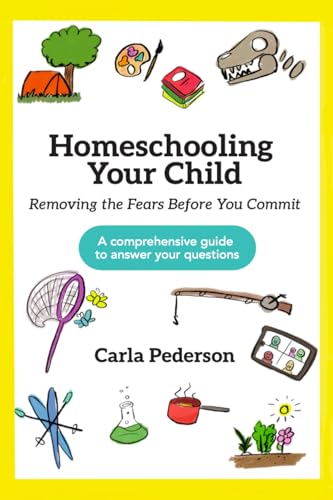
 Homeschooling for Success: How Parents Can Create a Superior Education for Their...
 -
The Wolf's Legacy (Homeschooling Collection)
-
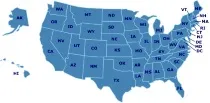
Homeschooling Your Child: Removing the Fears Before You Commit
-
 Monster: A Story About Crime, Justice, and Life on Trial
 -
 A More Perfect Union: The Story of Our Constitution ― A Simple American History ...





Featured Resources
-
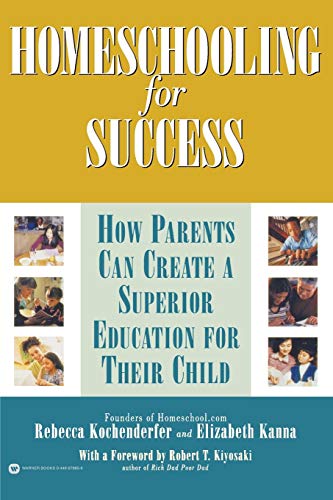
 The Homeschool Bible: A Practical Guide to Homeschool Curriculum, Lesson Plannin...
 -
 Mark Twain Forensic Investigations Workbook, Using Science to Solve High Crimes ...
 -
 The Law of God: For Study at Home and School
 -
 The Practical U.S. Homeschool Parent’s Handbook: Navigate State Laws, Choose the...
 -
Physical Science Workbook: Newtons Laws of Motion for Kids | Middle School &...
-
 Homeschool Hours Log Book: For Missouri Moms to Plan and Document Law Requiremen...